
Great strides have been made in improving global health in recent years. As of 2024, 134 countries had already met the SDG target on under-5 mortality. Effective treatment has cut global AIDS-related deaths by half since 2010, and at least one neglected tropical disease was eliminated in 59 countries by the end of 2025.
However, deep inequalities in healthcare access persist. The COVID-19 pandemic and other ongoing crises have slowed progress, leading to a significant drop in childhood vaccination rates and a rise in tuberculosis and malaria cases.
The Sustainable Development Goals make a bold commitment to end the epidemics of AIDS, tuberculosis, malaria, and other communicable diseases by 2030. The ultimate goal is to achieve universal health coverage and provide safe, affordable medicines and vaccines for all. Overcoming recent setbacks requires increased investment in health systems to help countries recover and build resilience against future health threats.
Access to essential health services
A significant portion of the global population still lacks access to vital healthcare. Bridging this gap requires tackling systemic disparities and addressing the environmental and commercial factors that influence health, paving the way for our shared goal of health for all.
How can we achieve these targets?
Ensuring healthy lives for everyone requires a strong commitment, but the benefits far outweigh the costs. Healthy people are the foundation of healthy economies. Countries must take decisive action to predict and counteract health challenges, particularly to protect vulnerable populations in regions burdened by high disease rates.
Immunization remains one of the world’s most successful and cost-effective interventions. However, the decline in childhood vaccination rates continues to leave millions of children at risk from preventable diseases.
Does everyone have access to healthcare?
Universal health coverage (UHC) aims to ensure that everyone can access quality health services without financial hardship. While efforts to combat infectious diseases expanded coverage significantly between 2000 and 2015, progress has since slowed.
Inequality remains a major barrier. Access to reproductive, maternal, and child health services is still heavily skewed toward wealthier, more educated, and urban populations, particularly in low-income countries. Closing these gaps will require robust investments in primary healthcare, stronger financial protections, and targeted support for vulnerable populations. Without these measures, nearly one in four people worldwide will face health-related financial hardship by 2030.
What can I do to help?
You can start by protecting your own health and the well-being of those around you by making informed choices, practicing safe sex, and vaccinating your children.
You can also raise awareness in your community about healthy lifestyles and the universal right to quality healthcare, especially for vulnerable women and children. Finally, you can hold your government and local leaders accountable to their commitments to expand and improve public health services.
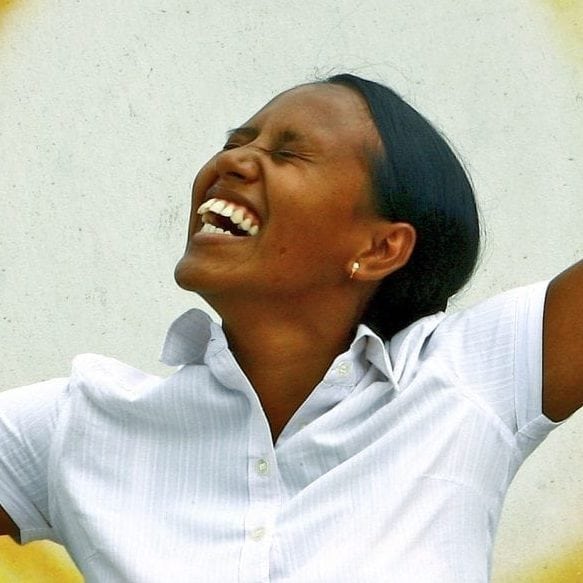
- Globally, an estimated 260,000 women died during pregnancy and childbirth in 2023. 344 million people were pushed into, or further into, extreme poverty in 2019 due to out-of-pocket health payments.
- Malaria has been eliminated from 47 countries, but cases are rising.
- For the first time since 2020, tuberculosis cases declined and deaths also fell from 1.27 million in 2023 to 1.23 million in 2024.
- In 2021, an estimated 18 million people under the age of 70 died from noncommunicable diseases (NCDs) globally – accounting for more than half of all premature deaths. The SDG target of reducing premature NCD mortality by one third by 2030 is not on track to be met.
3.1 By 2030, reduce the global maternal mortality ratio to less than 70 per 100,000 live births.
3.2 By 2030, end preventable deaths of newborns and children under 5 years of age, with all countries aiming to reduce neonatal mortality to at least as low as 12 per 1,000 live births and under-5 mortality to at least as low as 25 per 1,000 live births.
3.3 By 2030, end the epidemics of AIDS, tuberculosis, malaria and neglected tropical diseases and combat hepatitis, water-borne diseases and other communicable diseases.
3.4 By 2030, reduce by one third premature mortality from non-communicable diseases through prevention and treatment and promote mental health and well-being.
3.5 Strengthen the prevention and treatment of substance abuse, including narcotic drug abuse and harmful use of alcohol.
3.6 By 2020, halve the number of global deaths and injuries from road traffic accidents.
3.7 By 2030, ensure universal access to sexual and reproductive health-care services, including for family planning, information and education, and the integration of reproductive health into national strategies and programmes.
3.8 Achieve universal health coverage, including financial risk protection, access to quality essential health-care services and access to safe, effective, quality and affordable essential medicines and vaccines for all.
3.9 By 2030, substantially reduce the number of deaths and illnesses from hazardous chemicals and air, water and soil pollution and contamination.
3.A Strengthen the implementation of the World Health Organization Framework Convention on Tobacco Control in all countries, as appropriate.
3.B Support the research and development of vaccines and medicines for the communicable and noncommunicable diseases that primarily affect developing countries, provide access to affordable essential medicines and vaccines, in accordance with the Doha Declaration on the TRIPS Agreement and Public Health, which affirms the right of developing countries to use to the full the provisions in the Agreement on Trade Related Aspects of Intellectual Property Rights regarding flexibilities to protect public health, and, in particular, provide access to medicines for all.
3.C Substantially increase health financing and the recruitment, development, training and retention of the health workforce in developing countries, especially in least developed countries and small island developing States.
3.D Strengthen the capacity of all countries, in particular developing countries, for early warning, risk reduction and management of national and global health risks.

Related News

Kenya races to trace all contacts after first Ebola death, WHO official says
Kenya’s first Ebola death has triggered a race to trace everyone the victim came into contact with, as the United Nations and partners provide full support, the World Health Organization’s (WHO) top official in the [...]

Critical funding gap threatens health response in Yemen
The World Health Organization (WHO) warned that significantly more resources are required to scale up its response in Yemen amid escalating conflict and rising needs. Read Full Story on UN News

WHO releases first global guidelines on child obesity as cases surge
Child and adolescent obesity has quadrupled since 1990, rising from two per cent to around eight per cent of youngsters in the five-to-19 age group, according to the UN World Health Organization (WHO). Read Full [...]
Related videos
WATCH: How we treat our waste affects our health, environment and even our economies
"Mottainai!" is a Japanese term for "what a waste!" Watch this UN Environment video to see how living more sustainably saves literally tonnes of waste.