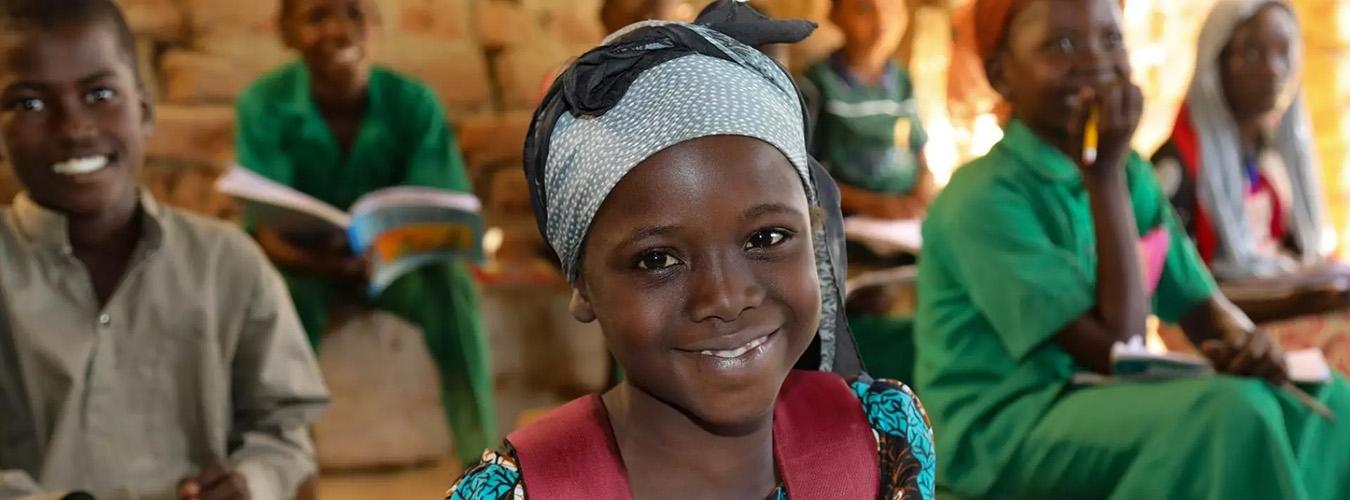
The power of youth in co-creating education
Youth make up more than half of the global population and are a powerful engine for innovation, social change and sustainable development. Yet many still face persistent barriers that hold them back from shaping the future they want — from poverty and inequality to limited access to quality education and decent work.
Because their lives and opportunities are directly shaped by education, young people must be active partners in reimagining how learning works. As technology continues to transform the world, involving youth in co creating modern, relevant and inclusive education systems is essential to ensure teaching and learning truly meet their aspirations. Learn how you can join the International Day of Education 2026.
Find out more on UNESCO's website.

Good schools need good school leaders
Leadership is essential for quality education, seen as the second most important factor influencing learning outcomes. Effective leadership occurs at various levels, including within schools and in government.
The latest edition of the examines the Global Education Monitoring Report requirements for good educational leadership, highlighting how they differ across countries and change over time. It explores the visions driving leadership, practices that lead to improved education outcomes, and the impact of external social, cultural, and governance factors on effective leadership.
Background
Education is a human right, a public good and a public responsibility.
The United Nations General Assembly proclaimed 24 January as International Day of Education, in celebration of the role of education for peace and development.
Education is a human right
The right to education is enshrined in article 26 of the Universal Declaration of Human Rights. The declaration calls for free and compulsory elementary education. The Convention on the Rights of the Child, adopted in 1989, goes further to stipulate that countries shall make higher education accessible to all.
 Education is key to sustainable development
When it adopted the 2030 Agenda for Sustainable Development in September 2015, the international community recognized that education is essential for the success of all 17 of its goals. Sustainable Development Goal 4, in particular, aims to “ensure inclusive and equitable quality education and promote lifelong learning opportunities for all” by 2030.
Challenges to achieving universal education
Education offers children a ladder out of poverty and a path to a promising future. But about 244 million children and adolescents around the world are out of school; 617 million children and adolescents cannot read and do basic math; less than 40% of girls in sub-Saharan Africa complete lower secondary school and some four million children and youth refugees are out of school. Their right to education is being violated and it is unacceptable.
Without inclusive and equitable quality education and lifelong opportunities for all, countries will not succeed in achieving gender equality and breaking the cycle of poverty that is leaving millions of children, youth and adults behind.